11.11.2027
SEASON FALL 2026 | COLLECTION DIGITALDistribution is the Medium
Distribution is the Medium
Brooke Wise
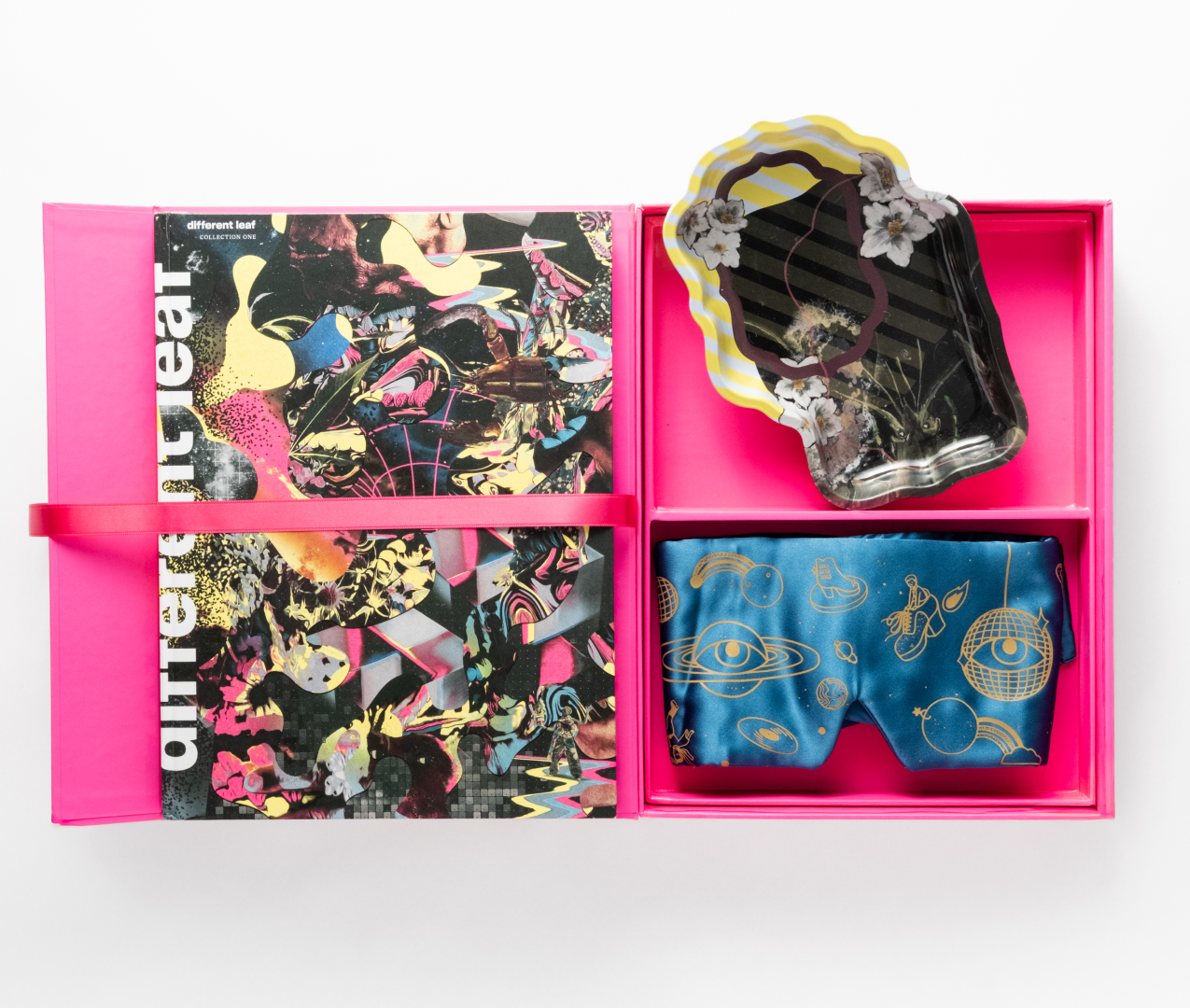
The Artist Premier Box Set of Different Leaf's inaugural Art Issue. Cover design by Máximo Tuja; eye mask & rolling tray designed by Nick Cave & Bob Faust with illustrations by Laurène Boglio.
When Does a Magazine Become an Artwork?
A magazine is supposed to point elsewhere. The photograph documents the painting; the interview explains the artist; the review tells us what happened in a gallery we probably didn’t visit. But what happens when the magazine stops behaving like evidence of culture and starts producing culture itself?
Artists played with this idea long before publishing became “content.” In 1965, editor Phyllis Johnson launched Aspen, a magazine that barely resembled one. Each issue arrived as a box containing some combination of records, films, posters, postcards, texts, and artworks. Andy Warhol designed an issue; contributors included Yoko Ono, John Cage, Susan Sontag, and Roland Barthes. There was no obvious distinction between the magazine and the exhibition. The container was the gallery.
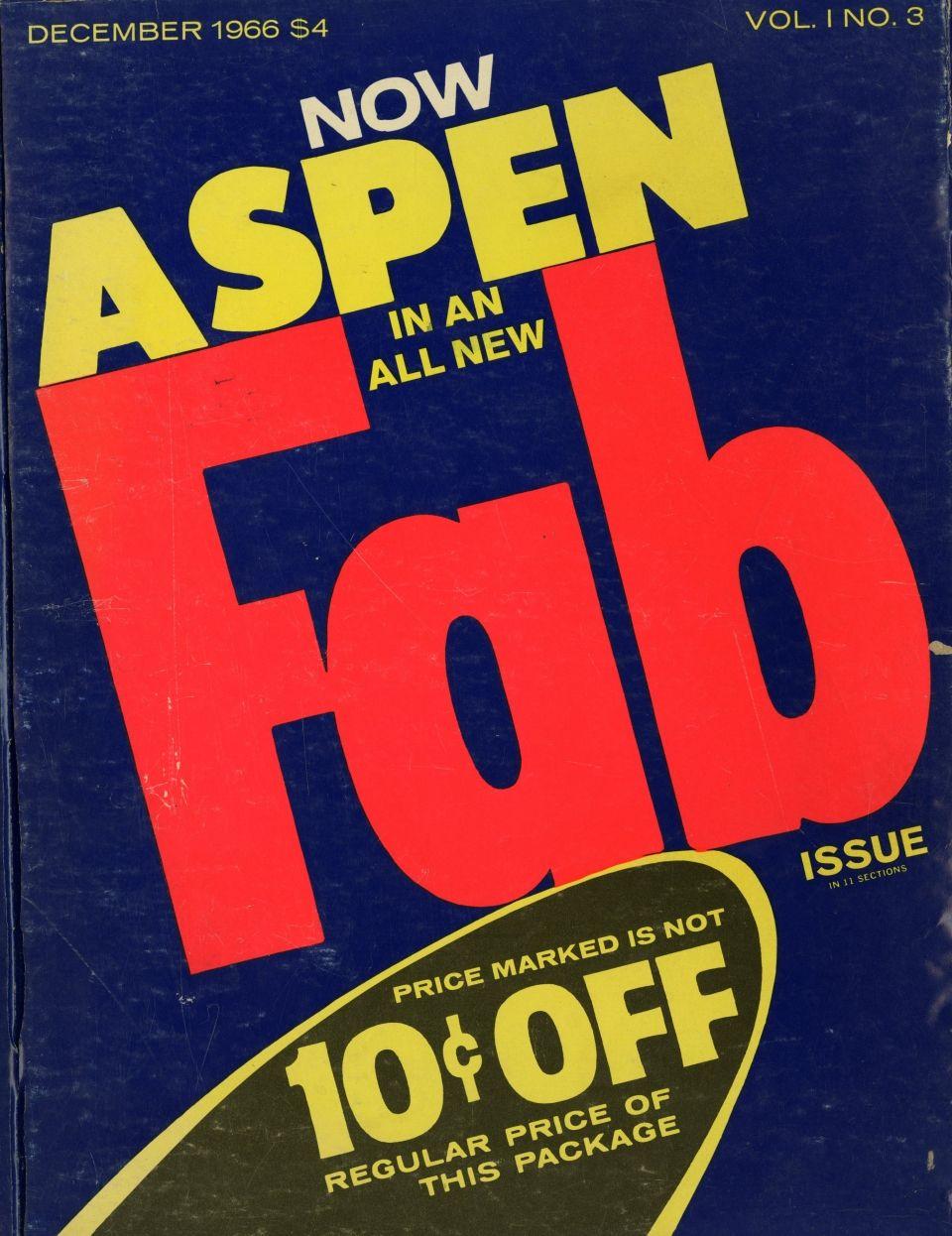
Aspen, Vol. 1, No. 3, December 1966. Image c/o St. Lawrence University Library.
That distinction became even more unstable with FILE Megazine, founded by the Canadian collective General Idea in 1972. FILE hijacked the visual language of LIFE — even rearranging its famous logo— and inserted itself into the machinery of mass media. General Idea described the publication as a kind of cultural parasite: something that could enter mainstream distribution disguised as a familiar magazine and alter it from within. The radical gesture wasn’t simply what they printed. It was where they put it, how it circulated, and who unexpectedly encountered it.
For queer artists, that ability to circulate outside traditional institutions could carry considerably higher stakes. Bob Mizer’s Physique Pictorial (an all-time favorite of mine), launched in 1951, ostensibly presented bodybuilding and physique photography. In practice, it created a network through which images of male desire could travel in a culture that heavily policed their representation. When Tom of Finland’s work first appeared in the magazine in 1957, the publication wasn’t simply reproducing his art. Its coded language, mail-order economy, sequencing of photographs and drawings, and audience all became part of how that art existed in the world.
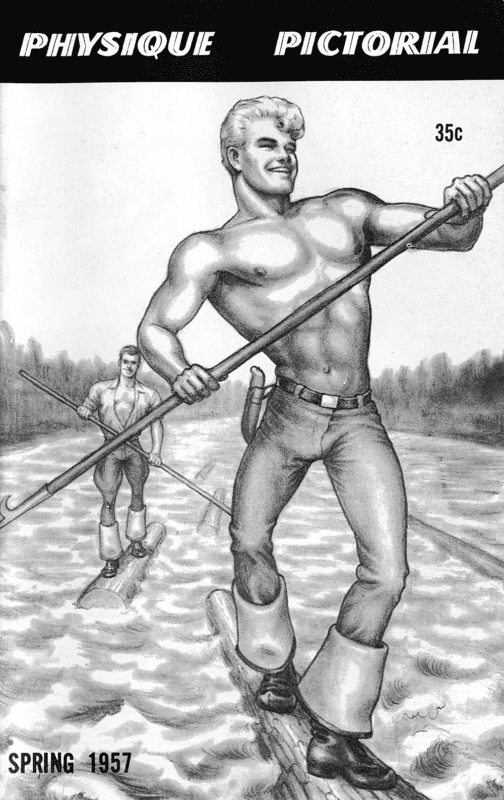
Untitled (From the Athletic Model Guild “Men of the Forests of Finland” series), 1957, Graphite on paper, © Tom of Finland Foundation
Maybe that is when a magazine becomes an artwork: not when an artist appears inside it, but when the publication itself begins making meaning. Editing becomes composition. Reproduction becomes material. Circulation becomes performance.
The internet was supposed to make this kind of publishing obsolete. Instead, it may have clarified what was special about it. Instagram offers distribution on a scale an underground publisher in 1972 could hardly have imagined, but every image eventually arrives inside the same frame, governed by the same interface, algorithm, and restrictions. A magazine can still determine its own physical conditions. Someone decides that this photograph touches that advertisement. An artwork can masquerade as editorial; an advertisement can masquerade as art. Paper, scale, typography, sequence — even the act of turning a page — can produce meaning.
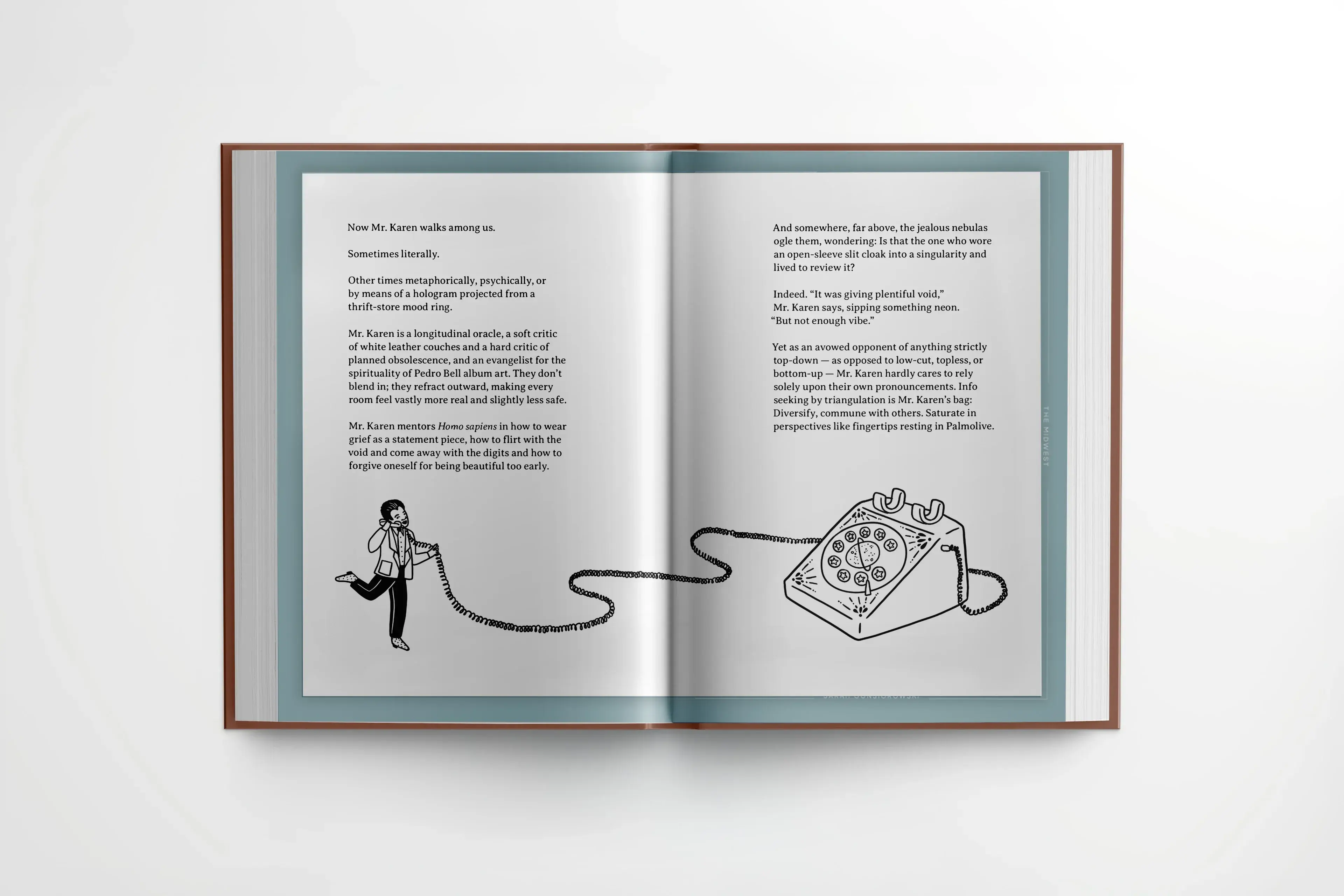
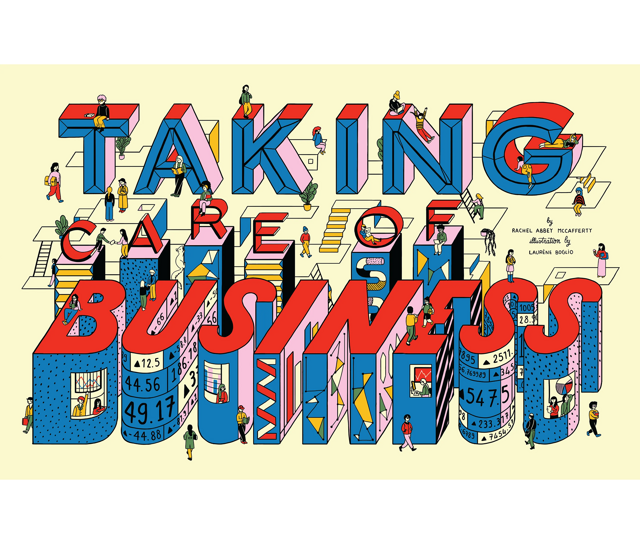
A spread from Different Leaf's Art Issue, featuring an illustration by Laurène Boglio.
And unlike the gallery, the magazine circulates.
It gets mailed across borders, folded into a bag, left on a bedside table, torn apart, collected, censored, traded, or rediscovered decades later. The most radical artist-publishers understood something that feels particularly relevant now: distribution is not necessarily what happens after an artwork is finished.
Sometimes, distribution is the medium.
_
About the Contributor
Brooke Wise is an independent curator based between New York and Los Angeles. Originally from Montreal, her curatorial practice spans contemporary art exhibitions, film programming, and cultural initiatives across museums, galleries, residencies, and unconventional public platforms. Known for merging art with charitable and community-impact projects, Wise’s work bridges contemporary art, archival material, and popular culture, with an emphasis on expanding visibility for under-represented voices and reframing cultural narratives for new audiences.